
What Is Online Tutoring for School Students?
Definition and Core Concept
Online tutoring for school students refers to one-on-one or small group academic instruction delivered through the internet. Unlike traditional classrooms, online tutoring uses digital platforms to connect students with qualified tutors in real time or through recorded sessions. This approach allows students to learn at their own pace while receiving focused attention.
How Online Tutoring Works
Typically, students log into a learning platform using a computer, tablet, or smartphone. Lessons are conducted through video calls, interactive whiteboards, shared documents, and quizzes. Many platforms also offer session recordings, homework support, and progress tracking dashboards for parents.

Why Online Tutoring for School Students Is Growing Rapidly
Impact of Technology on Education
Advancements in high-speed internet, affordable devices, and educational software have made online tutoring for school students more accessible than ever. Interactive tools now replicate—and sometimes outperform—the traditional classroom experience.
Changing Learning Preferences
Today’s students are digital natives. They are more comfortable learning through videos, interactive quizzes, and real-time chats. Parents also appreciate the convenience of online tutoring, as it eliminates travel time and offers flexible scheduling.
Key Benefits of Online Tutoring for School Students
Personalized Learning Experience
One of the biggest advantages of online tutoring for school students is personalization. Tutors tailor lessons according to a student’s strengths, weaknesses, and learning speed. This targeted approach often leads to faster improvement and better academic confidence.
Flexible Scheduling
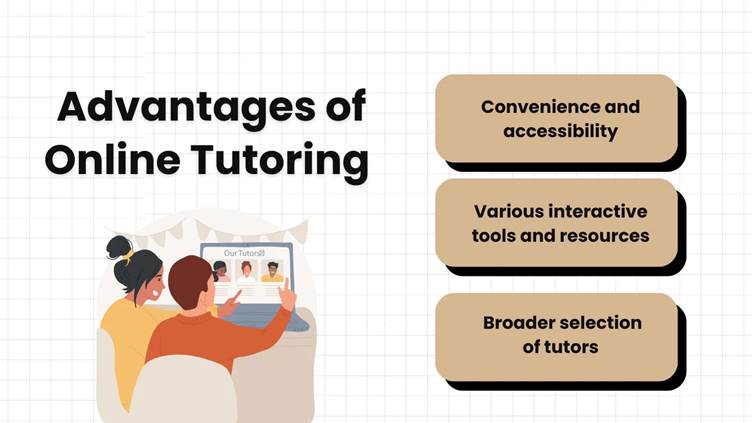
Online tutoring allows students to learn anytime and anywhere. Whether after school, on weekends, or during holidays, lessons can be scheduled around the student’s routine.
Access to Expert Tutors
Geographical boundaries no longer matter. Students can connect with highly qualified tutors from around the world, gaining exposure to diverse teaching styles and expertise.
Cost-Effectiveness
Compared to in-person tutoring, online tutoring often costs less. There are no transportation expenses, and many platforms offer affordable subscription plans.
Subjects Covered in Online Tutoring
Math and Science
Mathematics, physics, chemistry, and biology are among the most popular subjects. Tutors use digital whiteboards and visual aids to simplify complex concepts.
Languages and Literature
Online tutoring helps students improve grammar, reading comprehension, writing skills, and spoken communication in multiple languages.
Coding and Computer Skills
With technology skills becoming essential, many platforms now offer coding, robotics, and computer science tutoring for school students.
Exam Preparation
Online tutoring for school students is especially effective for exam preparation, including school exams, competitive tests, and standardized assessments.
Online Tutoring vs Traditional Classroom Learning
Learning Style Comparison
Traditional classrooms often follow a one-size-fits-all approach. In contrast, online tutoring adapts to individual learning styles—visual, auditory, or kinesthetic—making lessons more engaging.
Performance Outcomes
Studies and parent feedback consistently show that students receiving online tutoring often demonstrate improved grades, better focus, and higher confidence compared to those relying solely on classroom teaching.

How Online Tutoring Helps Different Age Groups
Primary School Students
For younger learners, online tutoring focuses on building strong foundations in reading, writing, and arithmetic using fun, interactive methods.
Middle School Students
At this stage, online tutoring helps students manage increasing academic pressure by reinforcing concepts and improving study habits.
High School Students
High school students benefit from advanced subject tutoring, exam strategies, career guidance, and college preparation support.
Role of Parents in Online Tutoring
Monitoring Progress
Parents play a crucial role by reviewing progress reports, attending feedback sessions, and communicating with tutors regularly.
Creating a Learning-Friendly Environment
A quiet, well-lit study space and a stable internet connection significantly enhance the effectiveness of online tutoring for school students.

Choosing the Right Online Tutoring Platform
Tutor Qualifications
Look for platforms that verify tutor credentials and provide subject-matter experts with teaching experience.
Curriculum Alignment
Ensure the tutoring program aligns with your child’s school syllabus and academic goals.
Safety and Privacy
Data security, child safety policies, and secure communication tools are essential when selecting an online tutoring service. For guidance on online safety, parents can refer to resources like https://www.cybersecuritytraining.center.
Technology Used in Online Tutoring
Video Conferencing Tools
Live video classes allow real-time interaction, screen sharing, and instant doubt resolution.
AI and Adaptive Learning
Modern platforms use artificial intelligence to analyze student performance and recommend personalized learning paths.
Challenges of Online Tutoring for School Students
Screen Time Concerns
Excessive screen time can cause eye strain and fatigue. Balanced schedules and regular breaks are important.
Internet Connectivity Issues
Reliable internet access is essential. Technical disruptions can sometimes affect learning continuity.
Tips to Maximize Success with Online Tutoring
Setting Goals
Clear academic goals help tutors design focused lesson plans and track progress effectively.
Maintaining Consistency
Regular sessions and consistent practice lead to better long-term results.
Future of Online Tutoring for School Students
AI Tutors and Virtual Classrooms
The future will see greater use of AI-powered tutors, virtual reality classrooms, and immersive learning experiences.
Global Learning Opportunities
Online tutoring will continue to connect students globally, promoting cultural exchange and global competitiveness.
Frequently Asked Questions (FAQs)
1. Is online tutoring for school students effective?
Yes, it offers personalized attention, flexible scheduling, and measurable academic improvement.
2. At what age can students start online tutoring?
Students as young as five years old can begin with age-appropriate online tutoring programs.
3. Do online tutors follow school curricula?
Most reputable platforms align lessons with national or international school curricula.
4. How many sessions per week are recommended?
Two to three sessions per week are generally effective, depending on the subject and goals.
5. Is online tutoring safe for children?
Yes, when using secure platforms with verified tutors and parental supervision.
6. What equipment is required for online tutoring?
A device with internet access, a webcam, microphone, and basic learning software.
Conclusion
Online tutoring for school students has emerged as a powerful educational solution that combines flexibility, personalization, and accessibility. As technology continues to evolve, online tutoring will play an even greater role in shaping the future of education. With the right platform, supportive parents, and motivated students, online tutoring can unlock academic success and lifelong learning skills.



Leave your comment